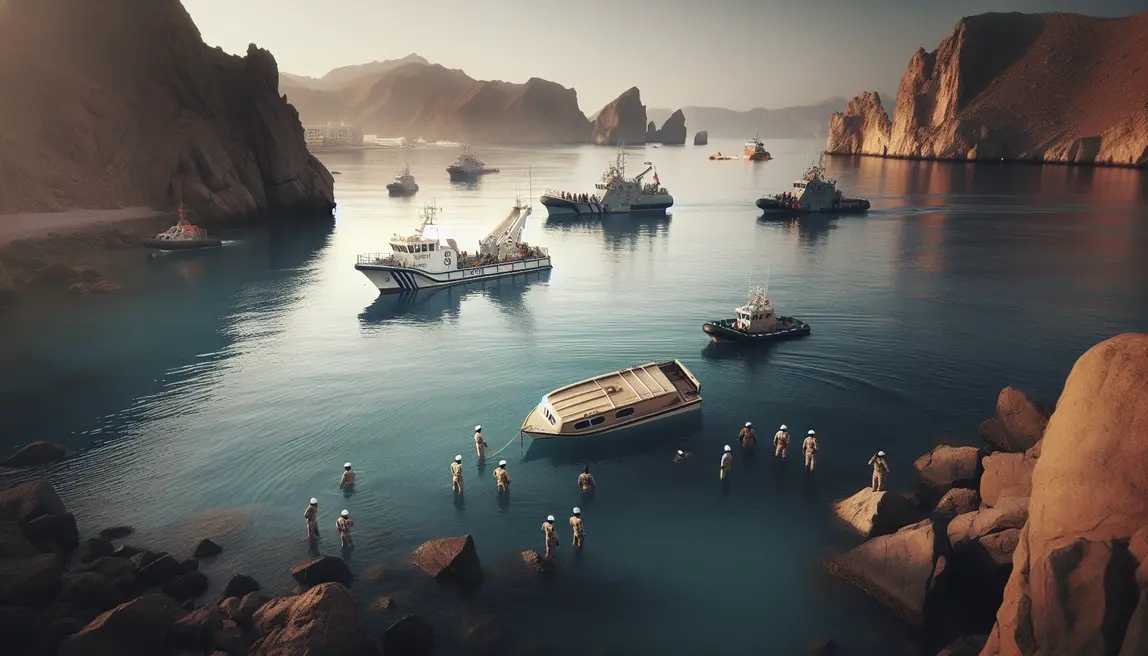
In a tragic incident off the coast of Muscat, Oman, a boat carrying French tourists capsized, resulting in the deaths of three individuals and injuries to others. The Muscat boat capsizing incident occurred near the Wilayat of Muttrah during a guided excursion, involving 25 French nationals alongside a local tour guide and the boat’s captain. Emergency response teams promptly arrived at the scene, providing medical assistance and rescuing survivors. Omani authorities have launched a thorough investigation to determine the cause of this devastating event, underscoring safety concerns in maritime tourism in the region.
Background & Context
Muscat, the capital of Oman, is a renowned tourist destination famed for its scenic coastlines, traditional souqs, and rich cultural heritage. Tourism forms a significant part of the Omani economy, with many visitors attracted to maritime excursions in the Arabian Sea along the rugged coastline of the Muscat Governorate. Guided boat tours are popular, offering visitors a chance to explore marine life, historical sights like Muttrah Corniche, and the natural beauty of the region.
However, maritime tourism carries inherent risks, particularly in areas where sudden weather changes and logistical challenges can impact safety. Historically, boat accidents have prompted authorities worldwide to re-evaluate regulations and emergency preparedness. This event highlights the ongoing challenges faced by rapidly expanding tourism sectors in maintaining strict safety protocols amid high visitor volumes.
According to the Royal Oman Police, the investigation into this Muscat boat capsizing is ongoing. With maritime authorities involved, standard procedures include inspecting the vessel’s condition, capacity compliance, weather conditions at the time of the incident, and crew competencies. The emphasis on a coordinated response involves both rescue operations and preventive measures to avoid future tragedies.
Detailed Analysis of the Incident
The boat, carrying 25 French tourists, a local guide, and the captain, capsized during the tour near Muttrah. The immediate response by the Muscat Civil Defence and Ambulance Authority was critical in reducing further casualties. Three tourists died, while two others sustained minor injuries. The rest were evacuated safely. Although the exact cause remains undetermined, possible contributing factors often include overcrowding, abrupt weather shifts, or mechanical failure.
Understanding the mechanics of such accidents is crucial. In marine transportation, vessel stability, weight distribution, and environmental conditions are paramount. The overturning of a boat often results in drowning or severe injuries for those unprepared or without safety equipment. The presence of trained crew and adherence to international maritime safety standards can greatly mitigate such risks.
Maritime safety is governed globally by frameworks such as the International Maritime Organization (IMO) conventions, yet local enforcement and adaptation remain key. Oman’s maritime safety regulations are designed to protect tourist vessels, but incidents like this underscore the need for continuous monitoring, upgrades, and enforcement, particularly in popular tourist hotspots.
Expert Perspectives on Maritime Safety and Tourism
The Royal Oman Police stated, “Investigations into the incident remain ongoing, and the cause is yet to be clarified. Our priority is ensuring safety and supporting the victims’ families.” Experts on maritime tourism emphasize proactive safety audits and rigorous training for tour operators.
Safety analysts point out that rapid growth in tourism demands proportional investments in infrastructure and personnel training. According to the International Maritime Organization’s Safety of Life at Sea (SOLAS) Convention, strict adherence to vessel specifications and passenger limits is non-negotiable.
Tourism researchers note that incidents like the Muscat boat capsizing often trigger policy reassessments. They recommend increasing transparency in tour operator licensing, routine vessel inspections, and mandatory safety drills for tourists as part of guided excursions. These measures help build traveller confidence and reduce accident rates.
Implications & Impact on Tourism and Safety Regulations
The immediate human cost of this capsizing is profound, affecting not only the families of the deceased but also the survivors and the broader French and Omani communities. France’s consular services are typically involved in repatriating victims and coordinating with local authorities in such situations.
Moreover, this tragedy could impact tourism perceptions in Oman, particularly among European visitors. The government’s response, including improved safety protocols and transparent investigations, will be critical to restoring confidence. According to the World Tourism Organization, crisis management and recovery efforts greatly influence tourism rebound after such incidents.
Economic consequences may arise from decreased tourist arrivals and potential restrictions on maritime tours pending safety reviews. Local businesses dependent on tourism could face short-term downturns. However, enhanced safety measures can ultimately lead to a more sustainable and resilient tourism sector.
Historical Context of Boat Accidents in Tourism
Historically, boat accidents involving tourists have led to significant changes in maritime policies worldwide. For example, the 2012 Costa Concordia disaster off Italy’s coast prompted sweeping reforms in cruise ship safety and emergency response practices.
In the Arabian Gulf region, countries have taken steps to improve maritime rescue capabilities. Oman, with its extensive coastline, has invested in search and rescue operations and regulatory frameworks for tourist vessels. However, incidents still remind us that continuous vigilance and improvement are necessary.
Future Outlook & What’s Next
The ongoing investigation into the Muscat boat capsizing will aim to identify the root causes, whether mechanical failure, human error, or environmental factors. The findings will likely inform regulatory updates and enforcement actions to enhance maritime safety for tourists.
Authorities are expected to increase inspections of tour vessels and possibly implement new training standards for crew and guides. Furthermore, technology adoption such as GPS tracking, weather monitoring systems, and emergency signaling devices could become mandatory for tourist boats.
From a broader perspective, this incident should prompt regional collaboration on maritime safety standards among Gulf Cooperation Council (GCC) countries, as well as increased public awareness campaigns on travel safety protocols.
Conclusion
The Muscat boat capsizing tragedy serves as a somber reminder of the risks associated with maritime tourism. While Muscat remains a vibrant and attractive destination, the incident underscores the urgent need for rigorous safety oversight, effective emergency response, and robust regulatory mechanisms. Protecting tourists’ lives is paramount for sustaining Oman’s tourism industry and fostering international trust.
As the investigation unfolds and lessons are learned, the hope is that such tragedies will become increasingly rare through strengthened policies and proactive safety culture. For visitors and operators alike, prioritizing safety is essential to enjoying the natural and cultural treasures that destinations like Muscat have to offer.
For more updates on the Muscat boat capsizing and maritime safety developments, stay tuned to our latest coverage.
References and Further Reading:
- International Maritime Organization’s SOLAS Convention
- World Tourism Organization (UNWTO)
- Royal Caribbean Safety and Rescue Reports (for comparative maritime safety insights)
- Royal Oman Police Official Website
- France24 News Coverage on Tourist Safety Incidents
About The Author