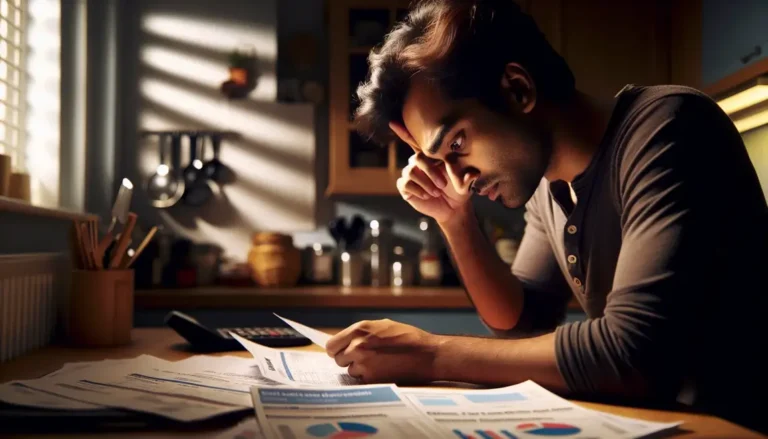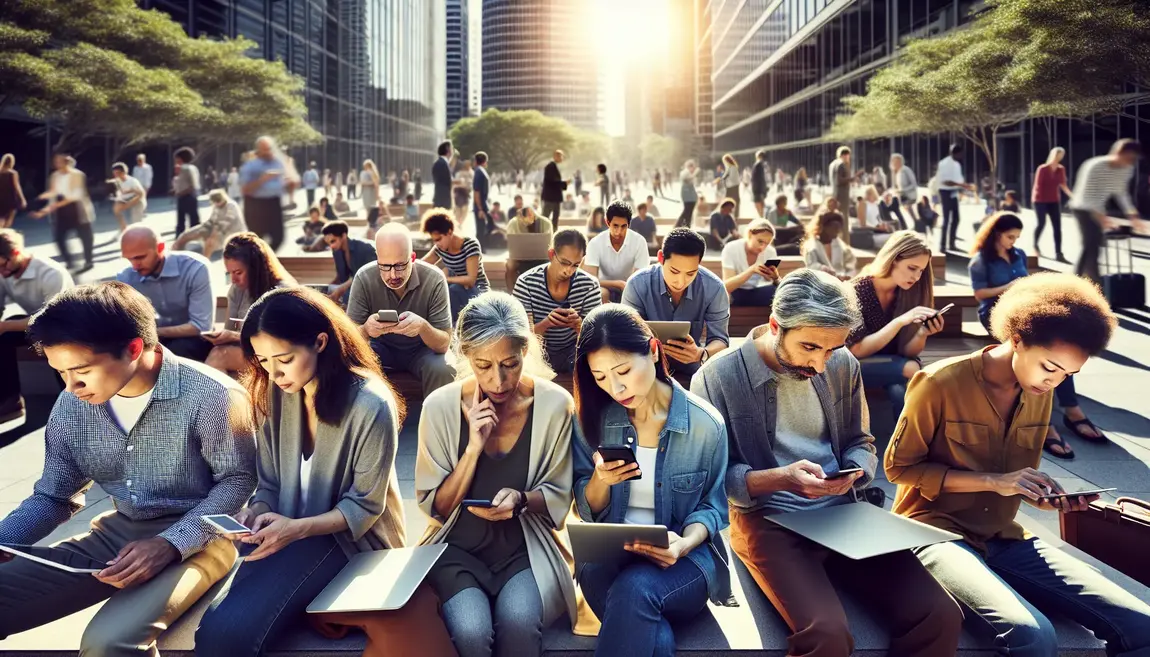
In today’s fast-evolving world, the way we live is undergoing profound transformations, driven by emerging lifestyle trends that are changing daily life in unprecedented ways. From urban dwellers adapting to climate challenges to shifts in technology and societal habits, these trends dictate how we manage our routines, interact with our environment, and prepare for uncertainties. The recent warning for severe weather events such as Storm Chandra in the UK stands as a vivid example of how external forces compel households and communities to rethink their daily habits, deeply influencing modern life.

Background & Context
The rise of unpredictable weather patterns, due in part to climate change, has made preparedness an essential component of daily life, especially in vulnerable regions. For instance, UK households were recently urged by British Gas and authorities to stockpile critical essentials ahead of Storm Chandra, which posed a high risk of flooding and power cuts. This advisory focused on practical preparedness—torches, spare batteries, and mobile phone chargers—stressing the importance of maintaining communication and safety during disruptions.
This guidance reflects broader lifestyle adaptations, where communities are recognizing the necessity of resilience in the face of natural events. These preparations echo a global pattern where extreme weather conditions, technological challenges, and social transformations are increasingly intertwined with everyday routines. The UK’s Met Office provided detailed weather forecasts highlighting strong winds, heavy rains, and snow, emphasizing the need for proactive measures to cope.
Such environmental concerns add to already complex lifestyle shifts influenced by technology, work habits, and social dynamics. To understand the extent of changing daily life, it is crucial to analyze not only these immediate responses but also the broader cultural and technological currents reshaping how we live.
Detailed Analysis of Lifestyle Changes
The increasing frequency of weather disruptions is compelling individuals and communities to adopt new routines, often centered around preparedness and sustainability. The recommendation by British Gas to equip homes with kit essentials—battery-powered torches, spare batteries, and backup phone chargers—is emblematic of a modern survival mindset. Households learn to prioritize resources that maintain connectivity and security.
Moreover, this shift taps into a larger trend of self-sufficiency, where the average person takes greater responsibility for managing risks formerly handled by infrastructures. The rise in demand for emergency kits and portable power sources also stimulates innovation in consumer products. For example, kinetic or wind-up torches, once niche, have gained wider popularity as sustainable alternatives.
Beyond tangible items, the trend influences digital habits. Ready access to weather updates and safety information via smartphones underscores the importance of mobile technology in contemporary life. However, the possibility of power outages during storms highlights vulnerabilities in total reliance on these digital channels, reinforcing the need for alternative communication means, such as battery-powered radios.
Simultaneously, eco-conscious living and climate action are significant drivers of changing daily routines. Urban planners and governments are emphasizing resilience strategies that blend infrastructure improvements with public awareness campaigns. According to climate adaptation research documented by the Intergovernmental Panel on Climate Change, integrating emergency preparedness into lifestyle choices will remain crucial.

Expert Perspectives on Changing Daily Life
Experts from meteorology, energy, and behavioral science sectors agree that lifestyle trends are evolving toward greater resilience and adaptability.
Paul Gundersen, Met Office Chief Forecaster, warned, “Storm Chandra will bring a range of hazards… it’s important people stay up to date with the forecast and any warnings.”
His insight not only signals the magnitude of environmental challenges but underscores society’s reliance on timely information.
From an energy perspective, British Gas emphasizes the critical role of accessible power alternatives during outages. Their advice to maintain spare batteries and portable chargers points to a growing recognition of the vital intersection between energy security and daily routines.
Behavioral scientists note that these changes don’t merely alter actions but also perceptions and priorities. People become more cautious, community-oriented, and aware of sustainability. This pivot affects everything from shopping habits—favoring non-perishables and durable goods—to social norms around cooperation and mutual aid during crises.
Academic studies from institutions like RAND Corporation emphasize that preparedness education must accompany technological solutions to foster widespread lifestyle change effectively. The psychological readiness bolstered by these strategies is integral to how individuals and societies embrace the new normal.
Implications & Impact of Current Trends
The cumulative effect of these evolving behaviors on daily life is multifaceted. For one, households investing in emergency kits inherently adjust their consumption patterns, emphasizing quality and utility over convenience. This shift resonates with sustainable consumerism, helping reduce waste and fostering mindful resource use.
On a community level, the rising awareness of environmental risks encourages stronger local networks and information sharing. Emergency preparedness drills and neighborhood support groups are increasingly common, promoting social cohesion while improving resilience to natural disasters.
Economically, industries tied to emergency supplies, sustainable products, and technology are witnessing growth. The portable power market, in particular, is expanding rapidly, stimulated by widespread recognition of vulnerabilities sparked by storms like Chandra.
Infrastructure investment is also affected. Governments and municipalities are pressured to upgrade energy grids, improve drainage, and design flood defenses as part of urban planning, reflecting an understanding that lifestyle changes and public policy must complement each other.
Furthermore, these lifestyle transformations invite reassessment of work-life balance and urban living preferences. Remote working capabilities and digital nomad trends are empowered by technology but tempered by environmental considerations, influencing housing, transportation, and community design.
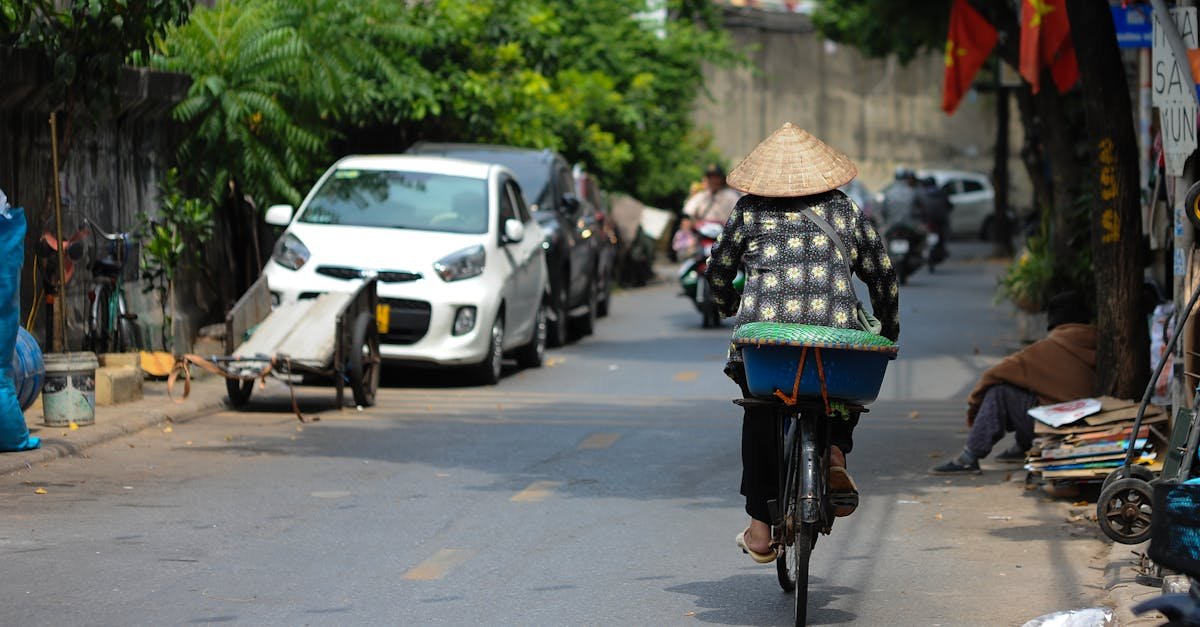
Future Outlook: What Lies Ahead in Changing Daily Life
Looking forward, the trend of adaptive living in response to environmental, technological, and social pressures is likely to accelerate. Smart home technologies integrated with emergency management systems are anticipated to become standard, providing real-time updates and automation during disruptions.
Increased public education campaigns around preparation and sustainability will also play a critical role. Governments and organizations are expected to leverage digital platforms to promote best practices and streamline emergency responses.
Innovations in renewable energy and battery storage could mitigate the risk of power outages, reducing current dependency on fossil fuels and centralized grids. Breakthroughs in kinetic energy devices and solar-powered gadgets highlight this evolution, enabling households to remain functional even during extended blackouts.
On a societal level, the rise of resilience culture may foster new values emphasizing community support, environmental stewardship, and health consciousness. This cultural shift aligns with findings from United Nations climate initiatives, which advocate for inclusive approaches to lifestyle adaptation.
However, challenges remain, particularly around equitable access to resources and information. Ensuring that vulnerable populations can participate in these lifestyle changes is critical to fostering collective resilience rather than increased disparity. Policymakers and stakeholders must address these gaps thoughtfully.
Conclusion
The ongoing changes in environmental conditions, technological advancements, and social paradigms are unmistakably changing daily life across the globe. The recent UK warning for Storm Chandra power cuts and recommended preparedness supplies exemplify how external pressures translate into tangible lifestyle shifts.
From stocking emergency essentials to embracing digital information channels and fostering community resilience, people are subtly but critically adjusting their habits. These adaptations are not just reactive but signify a broader transformation toward a secure, sustainable, and connected way of living.
As these trends deepen, understanding and integrating expert advice, technological solutions, and community engagement will become increasingly vital. Preparing for both anticipated and unexpected disruptions will define the quality and stability of daily life in coming years, shaping a future where resilience is embedded in lifestyle choices.
For more updates on Lifestyle, stay tuned to our latest coverage.
About The Author