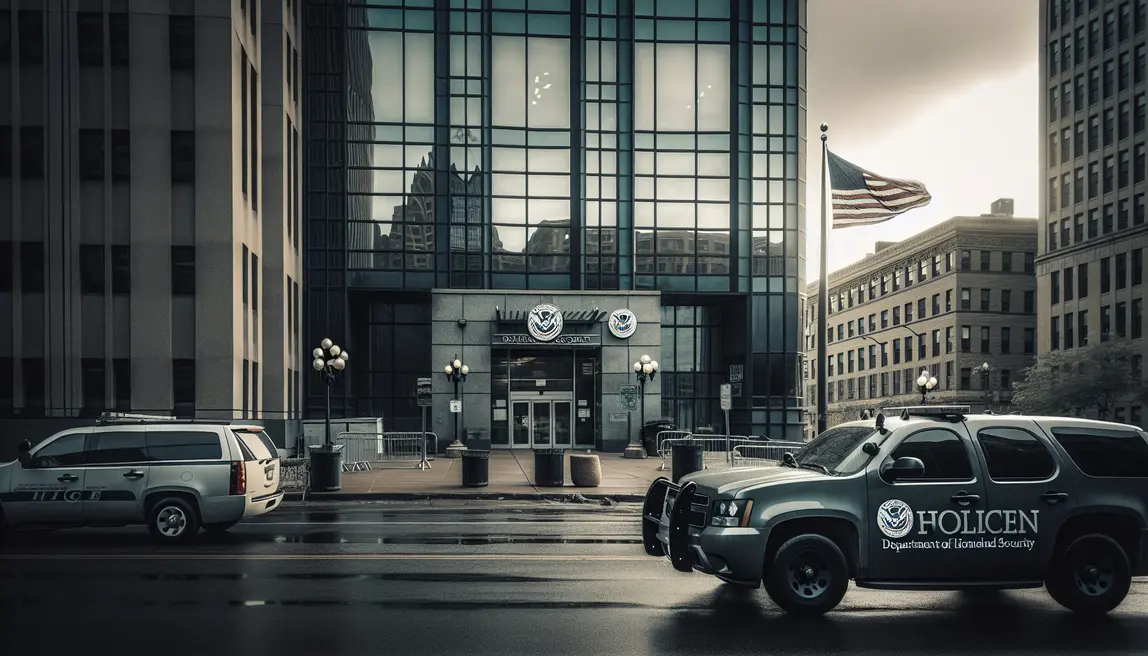
The recent ICE shooting in Minneapolis that left a man dead has ignited a wave of protests and intensified scrutiny on federal immigration enforcement practices. The incident, captured on a viral video, shows federal agents from Immigration and Customs Enforcement (ICE) using lethal force after surrounding a man near 26th Street West and Nicollet Avenue, outside the New American Development Center. As authorities and the Department of Homeland Security (DHS) confirm the shooting, claiming the man was armed with a gun and two magazines, the public demands accountability and transparency amid growing tensions between federal agencies and the Minneapolis community.
Background & Context: Understanding ICE’s Role and Federal Enforcement Trends
ICE operates under the Department of Homeland Security and is tasked with immigration enforcement, including the arrest and deportation of individuals violating immigration laws. Over recent years, ICE actions have sparked increasing controversy over aggressive tactics, especially in immigrant communities. Minneapolis has seen several high-profile incidents, with three fatal shootings by federal immigration officers within a few weeks, raising alarm about use-of-force policies and civil rights implications.
This recent shooting follows protests against ICE’s presence in Minneapolis, highlighting widespread community opposition to aggressive immigration enforcement. On the day before the incident, tens of thousands protested despite freezing temperatures, signaling profound local resistance. Governor Tim Walz expressed his outrage on social media, emphasizing the city and state’s frustration with what he termed “horrific shootings by federal agents” and signaling direct communication with the White House about these events.
Detailed Analysis of the Incident and Official Responses
The shooting unfolded as federal agents confronted the man alleged to be armed. Video footage shows the man being wrestled to the ground, with agents firing over ten shots. One agent appears to strike the individual multiple times with what looks like a firearm. Minneapolis Police Chief Brian O’Hara confirmed the man had died following the encounter. The DHS claims the man was armed with a gun and two magazines, a statement that has drawn skepticism due to past discrepancies in federal agency narratives compared to witness and video evidence.
The response to the shooting has been swift; law enforcement sealed off nearby streets and deployed tear gas to disperse angry demonstrators, with over 100 federal agents reportedly present on the scene. The scene’s militarized response has sparked further criticism about the federal approach to local law enforcement and protest management.
Expert Perspectives: Law Enforcement, Civil Rights Advocates, and Government Officials
Experts and officials remain divided on the implications of this and previous ICE-related shootings. Civil rights advocates highlight a pattern of excessive force and call for stringent reforms and independent investigations, pointing to doubts about DHS’s official statements in prior incidents which were later contradicted by evidence or eyewitness accounts. This eroding trust fuels public protests and intensifies calls for accountability.
On the other hand, officials emphasize the agency’s mandate and the alleged threat posed by armed suspects during enforcement operations. The Department of Homeland Security insists on the seriousness of threats ICE agents face, defending their use of force in contexts involving armed individuals. However, critics point out that the aggressive federal response often escalates tensions unnecessarily, driving a wedge between immigrant communities and law enforcement.
Governor Tim Walz’s public condemnation and direct communication with the White House underscore the political pressure on federal agencies to reassess enforcement tactics and their repercussions on community safety.
Implications & Impact: Who is Affected and Why it Matters
The repercussions of the ICE shooting in Minneapolis extend beyond the immediate victim and federal agents involved. The local immigrant community, already wary of federal enforcement, faces increased fear and distrust. This environment can deter immigrants from cooperating with law enforcement for any reason, potentially undermining public safety more broadly.
The militarized federal presence and use of tear gas against protesters also affect the wider Minneapolis populace, stirring civil unrest, disrupting daily life, and spotlighting broader issues of policing and racial justice. These events take place within a national context of heightened debates over immigration enforcement, civil rights, and police use-of-force policies.
Moreover, this incident could influence political discourse and policy decisions at state and federal levels regarding immigration enforcement practices and oversight. The public outcry may accelerate calls for legislative or administrative reforms aimed at balancing community safety with civil liberties.
Historical Context and Precedents of Federal Use of Force in Minneapolis
The recent shooting is not an isolated event but part of a troubling pattern of federal law enforcement use of force in Minneapolis and other cities. Earlier in the month, ICE agents killed Renee Good, an incident controversially met with political rhetoric labeling victims in ways that further polarized public opinion. Historical tensions in Minneapolis—exacerbated by incidents such as the killing of George Floyd by police—have sensitized communities to state and federal law enforcement actions.
This history frames community responses and the extent of scrutiny given to ICE’s actions. Each event layers onto public perceptions of systemic issues in law enforcement accountability and immigrant rights protection, amplifying protests and demands for change.
Future Outlook & What’s Next: Accountability, Reform, and Community Relations
Looking ahead, the fallout from the Minneapolis ICE shooting may catalyze deeper investigations and reforms within immigration enforcement agencies. Advocacy groups and local government officials are likely to push for:
- Independent investigations into the shooting and federal use-of-force incidents.
- Greater transparency and public reporting on federal enforcement operations.
- Policy reforms to de-escalate confrontations and prioritize community safety.
- Enhanced training on engagement with vulnerable populations and mental health considerations.
- Improved cooperation and communication between local and federal authorities to restore public trust.
Meanwhile, federal agencies face mounting pressure to justify their enforcement approaches amid rising national debate over immigration policy. The intersection of immigration enforcement and civil rights concerns will remain a contentious arena, shaping policy discussions and law enforcement protocols.
Conclusion: Lessons and Takeaways from the ICE Shooting Minneapolis Incident
The ICE shooting Minneapolis incident highlights the complex, often fraught dynamics of federal immigration enforcement in urban communities. It underscores the urgent need for transparent, accountable policing methods that respect civil liberties while ensuring public safety. The event also reveals the deep divisions between governmental agencies and communities impacted by immigration policies and enforcement tactics.
For citizens and residents, the incident signals a period of increased vigilance regarding civil rights protections and demands for government accountability. Understanding the broader context of ICE operations, federal enforcement trends, and community impact is essential for informed public discourse.
The divergent perspectives and mounting tensions call for thoughtful engagement from policymakers, law enforcement, and community leaders to balance security and rights effectively.
For further reading on federal immigration enforcement and use-of-force controversies, resources such as the Department of Homeland Security’s immigration enforcement overview, ACLU immigration rights resources, and The New York Times’ ICE coverage provide comprehensive insights.
For more updates on ICE shooting Minneapolis, stay tuned to our latest coverage.
About The Author