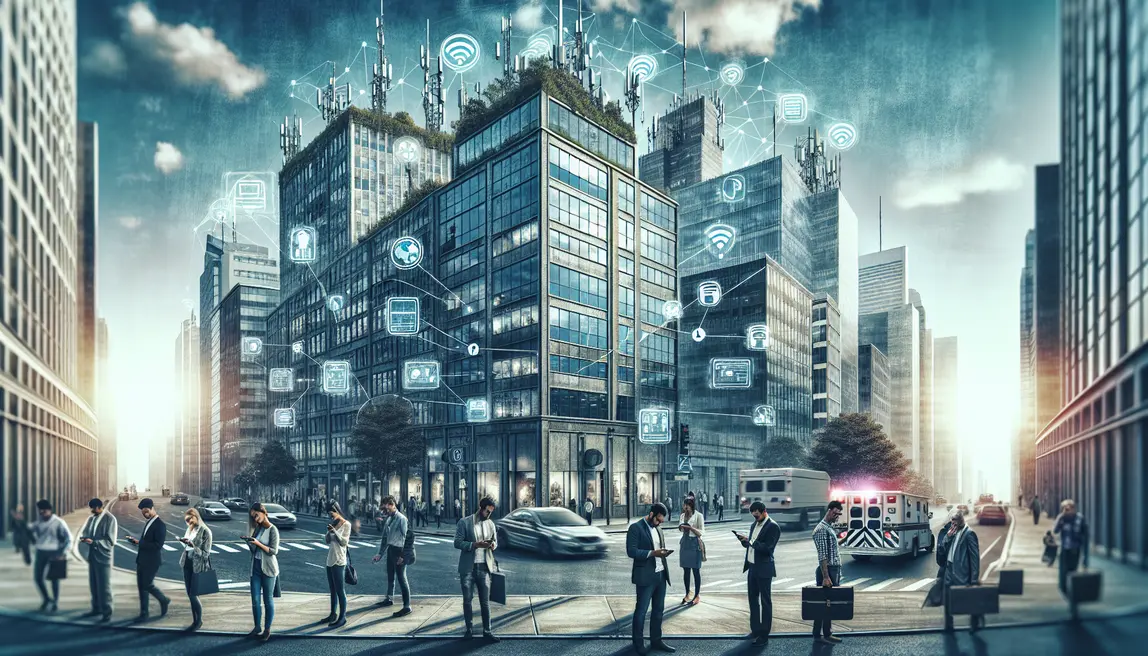
On January 15, 2026, a widespread Verizon outage in the US disrupted mobile and cellular data services across the nation, leaving tens of thousands of customers facing intermittent or complete loss of connectivity. As dozens of major cities including Washington D.C., Chicago, Los Angeles, and New York grappled with network disruptions, many devices displayed an alarming “SOS” mode, signaling an inability to connect to Verizon’s network. This unprecedented event shines a spotlight on the fragility of digital infrastructure and raises critical questions about the resilience of essential communication services in emergencies.
Background & Context: Understanding the Verizon Outage US
Verizon Communications, one of the leading telecommunications providers in the United States, serves millions of mobile users across the country. The company’s network underpins a significant portion of the nation’s wireless communication, including mobile data, voice calls, and emergency services. The Verizon outage in the US reported on January 15 was first detected shortly after noon, with over 170,000 users flagging issues on Downdetector, a popular service disruption tracker.
Common issues reported included inability to make calls, lack of access to cellular data, and devices displaying “SOS” or no network signal. The outage spanned multiple regions, affecting users in critical metropolitan hubs such as Houston, Atlanta, and Chicago, underscoring the nationwide scale of this disruption. While Verizon promptly deployed engineering teams to identify and fix the problem, the cause of the outage has not yet been publicly detailed.
This event is part of a broader pattern of increasing wireless network vulnerabilities in the digital age, amplified by high dependence on mobile connectivity for daily communications, business operations, and emergency responses.
Detailed Analysis: What Happened During the Verizon Outage US?
The outage began just after noon Eastern Time, with interruptions peaking in the early afternoon. Users across various platforms reported their phones shifting into “SOS” mode—a state where devices can attempt emergency calls but lack access to normal cellular service. This disruption severely affected wireless voice and data services for numerous Verizon customers.
According to reports from The New York Times and The Associated Press, over 170,000 users initially reported service problems, with close to 33,000 complaints persisting as late as 8 p.m. ET. Verizon acknowledged the outage publicly through social media, assuring customers that their engineering teams were actively working on a resolution and emphasizing the importance of reliable connectivity.
One significant concern was the impact on emergency services. In New York, authorities issued alerts warning residents that 911 calls could be disrupted due to the outage and advised use of landlines, other carriers’ devices, or in-person visits to police or fire stations if emergencies arose. This highlights a crucial vulnerability in reliance on cellular networks during critical moments.
Though Verizon has not confirmed the root cause, network outages of this magnitude typically arise from technical failures such as software glitches, hardware malfunctions, or cyber-related disruptions. Investigating these factors is essential for preventing future service interruptions.
Expert Perspectives: Responses From Industry and Officials
“We are aware of an issue impacting wireless voice and data services for some customers. Our engineers are engaged and are working to identify and solve the issue quickly,” Verizon stated via their official X (formerly Twitter) accounts, reassuring customers of swift resolution efforts.
Telecommunications experts highlight that outages like these underline the immense challenges of maintaining nationwide network stability amid increasing traffic and complex infrastructure. Dr. Jessica Nguyen, a telecommunications policy analyst, remarked, “Large-scale outages remind us of the critical role these networks play not just in everyday life but in public safety, economic stability, and national security.”
Additionally, public safety officials stress the need for redundant systems and alternative communication methods in emergencies, noting that cellular networks alone cannot be the sole lifeline for emergency response.
For detailed guidance on emergency preparedness concerning mobile outages, readers can refer to the FCC guidelines on 911 wireless services.
Implications & Impact: What This Outage Means for Verizon Customers and Beyond
The Verizon outage US event disrupted not just communication for individuals but also had ripple effects across businesses and emergency services. For customers, the immediate inconvenience of losing voice and data connectivity translates to lost productivity, missed communications, and heightened vulnerability during critical emergencies.
Especially for small businesses and remote workers, stable cellular data is vital for operations, client interaction, and transaction processing. Prolonged disruptions can lead to economic impacts and diminished consumer confidence in service providers.
The emergency services impact reinforces the importance of preparedness beyond cellular devices. The outage serves as a reminder to have multiple communication options available, including landlines, satellite phones, and reliable internet-based alternatives.
Moreover, the disruption raises concerns about the resilience of telecom infrastructure amid growing cyber threats and technical complexities, necessitating stronger safeguards and improvement investments.
Historical Context or Precedents: Network Outages in Perspective
Large-scale mobile network outages are not unprecedented. Past events, such as the massive AT&T outage in 2020 and T-Mobile’s 2023 disruptions, have similarly left millions without service, highlighting systemic vulnerabilities.
These incidents broadly demonstrate how even the most advanced networks can falter under technical faults or external interferences. Over time, however, carriers have evolved their response protocols and invested in infrastructure redundancy to mitigate risks.
Understanding and learning from these past outages helps in shaping policies and infrastructure design to enhance future network resilience. For more insight into historical communication disruptions, the National Telecommunications and Information Administration (NTIA) report provides extensive analysis.
Future Outlook & What’s Next Following the Verizon Outage US
Verizon’s rapid deployment of engineering teams to resolve the January 15 outage signals an increased focus on real-time monitoring and swift corrective action within telecom firms. However, the event underscores the ongoing challenge of ensuring seamless connectivity amid burgeoning mobile usage.
In the coming months, industry analysts anticipate heightened regulatory scrutiny on network resilience, cybersecurity measures, and transparency regarding outage causes and resolutions. Customers may also see more diversified communication options promoted by providers to reduce disruption risks.
Telecom operators will likely invest further in advanced technologies such as AI-driven network management and enhanced backup systems, striving to minimize impact from unforeseen failures. For detailed future trends in telecommunications, see the CTIA’s analysis of emerging telecom trends.
Conclusion: Key Takeaways from the Verizon Outage US Event
The January 2026 Verizon outage in the US was a stark reminder of the critical dependence on mobile networks for daily life, business, and emergency response. Affecting tens of thousands across major US cities, the disruption exposed vulnerabilities in infrastructure and emergency resilience.
While Verizon’s active response and ongoing remediation efforts highlight commitments to service recovery, the event encourages broader preparedness among users and continued enhancements within the telecom sector. Customers are advised to stay informed, maintain alternative communication methods, and follow official guidance during service interruptions.
As digital connectivity becomes ever more vital, sustained investments in network robustness, diversified communication channels, and emergency readiness will be crucial to minimizing future outages and their impact.
For more updates on Verizon outage US, stay tuned to our latest coverage.
About The Author